Why the foam inside changed
For decades most surfboards were built from a polyurethane foam blank, shaped by hand and glassed with fibreglass cloth and polyester resin. The combination is still loved for its damped, predictable flex. When Clark Foam, the dominant blank supplier in California, closed abruptly in December 2005, the industry was forced to look harder at alternatives. Expanded polystyrene cores laminated with epoxy resin, already in use, grew quickly.
EPS is lighter and more buoyant than polyurethane, which helps paddling and wave catching. Epoxy laminates are often more resistant to dings. The cost is feel: lighter boards can bounce in wind chop and transmit more chatter, and some riders describe them as lively in a way that takes getting used to. Companies such as Firewire have built reputations on alternative constructions, including thin wood veneers and parabolic rail stringers designed to restore controlled flex.
Lightweight laminates
Carbon fibre is stiffer and lighter than fibreglass for the same strength, so it appears in rails, tails, foil masts and paddles. Stiffness is not automatically better. A board that does not flex can feel harsh and lose some of the spring a rider uses to drive out of a turn. Builders often place carbon strategically rather than everywhere, and they price it accordingly.
Air as structure: inflatable boards
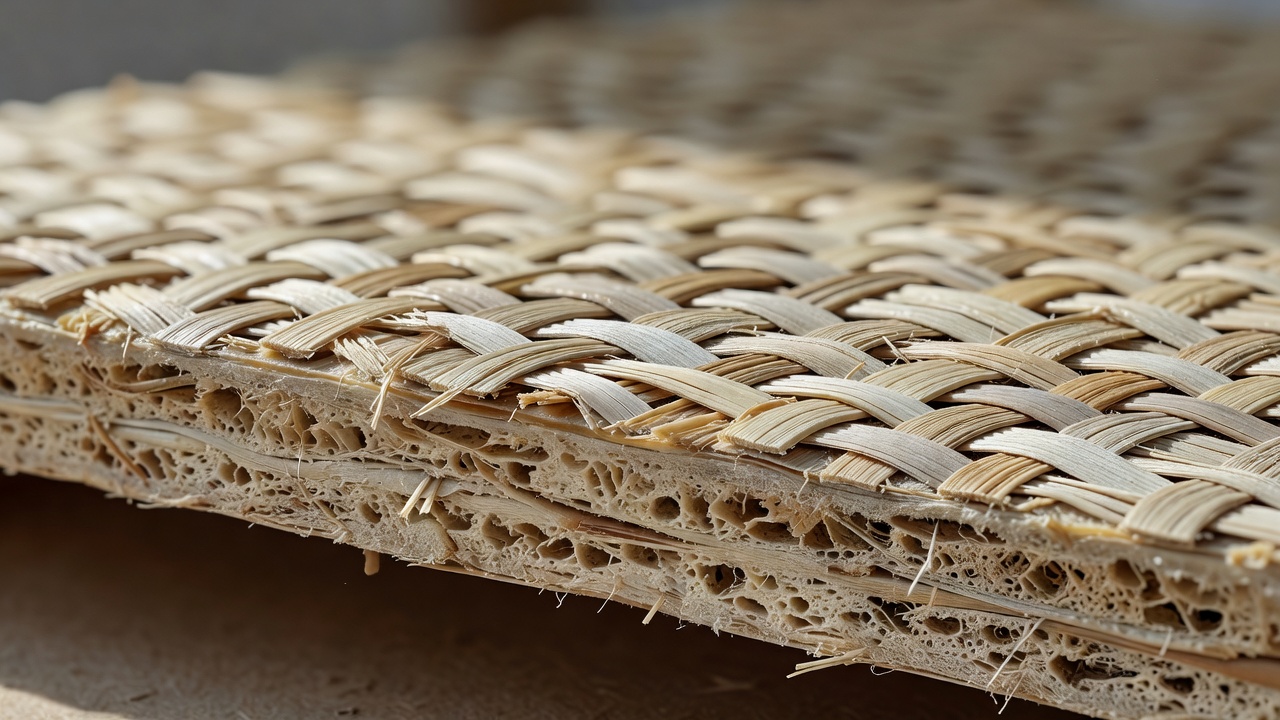
Inflatable stand-up paddleboards rely on drop-stitch fabric: two layers of coated material joined by thousands of fine threads. When inflated, the threads hold the skins flat and parallel, turning air into a surprisingly rigid core. The idea predates paddling; Goodyear used similar construction for its experimental Inflatoplane aircraft in the 1950s.
Quality depends on details. Fusion-laminated or machine-bonded layers are typically lighter and more consistent than hand-glued ones. Recommended pressure usually sits in a range printed near the valve, commonly somewhere around 12 to 18 PSI, and should never exceed the stated maximum. Brands such as Red Paddle Co, Starboard and many others have refined stringers and stiffening systems to reduce flex, yet an inflatable still feels softer than a hard board in chop or in fast turns.
Greener fibres and resins
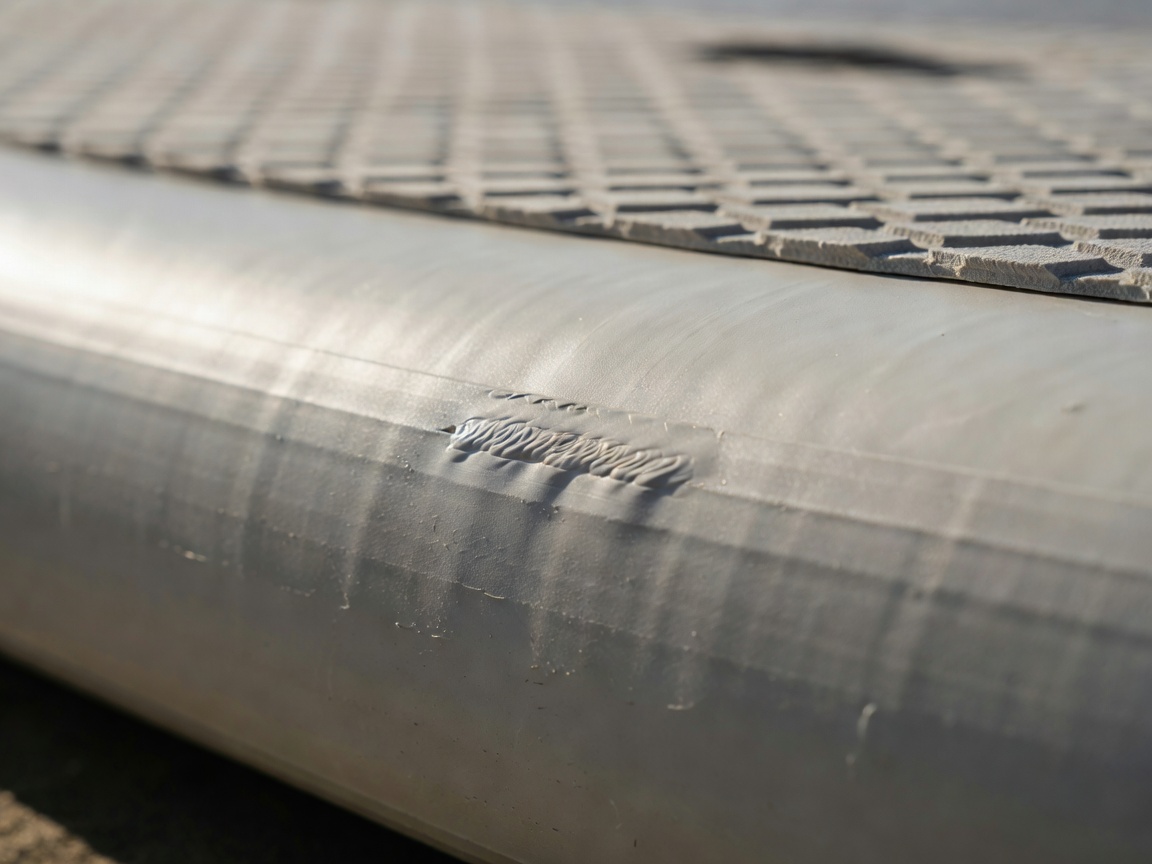
Sustainable Surf's ECOBOARD Project created a public benchmark for boards made with lower-impact materials such as partly bio-based resins, recycled foam or reclaimed wood. Flax and basalt fibres, hemp cloth, cork deck panels and recycled EPS are now available from a growing number of builders. These are emerging rather than experimental: production exists, but long-term durability data across many seasons is thinner than for conventional laminates, and repair advice can vary between manufacturers.
| Construction | Weight | Ride feel | Durability | Repair and upkeep |
|---|---|---|---|---|
| PU foam, polyester resin | Moderate | Damped, familiar flex | Dings fairly easily | Simple, any repair shop |
| EPS foam, epoxy resin | Light | Buoyant, can bounce in chop | Good ding resistance | Needs epoxy, keep away from heat |
| Carbon-reinforced | Very light | Stiff, responsive, can feel harsh | Strong but impact-sensitive | Specialist repairs, higher cost |
| Drop-stitch inflatable | Light to carry when packed | Stable, softer flex | Very tough against knocks | Valve care, seam checks, correct pressure |
| Flax, basalt, bio-resin | Comparable to glass | Often slightly more damped | Promising, less long-term data | Follow builder's specific advice |
Looking after lighter gear
Heat is the quiet enemy of foam boards. A board left in a closed car on a summer day can delaminate as trapped air expands. Store boards in shade, use a reflective bag, rinse salt away and dry inflatables fully before rolling to prevent mildew. Fix dings promptly, because water absorbed into the core adds weight and weakens the structure. Lighter construction rewards care more than older, heavier builds did.